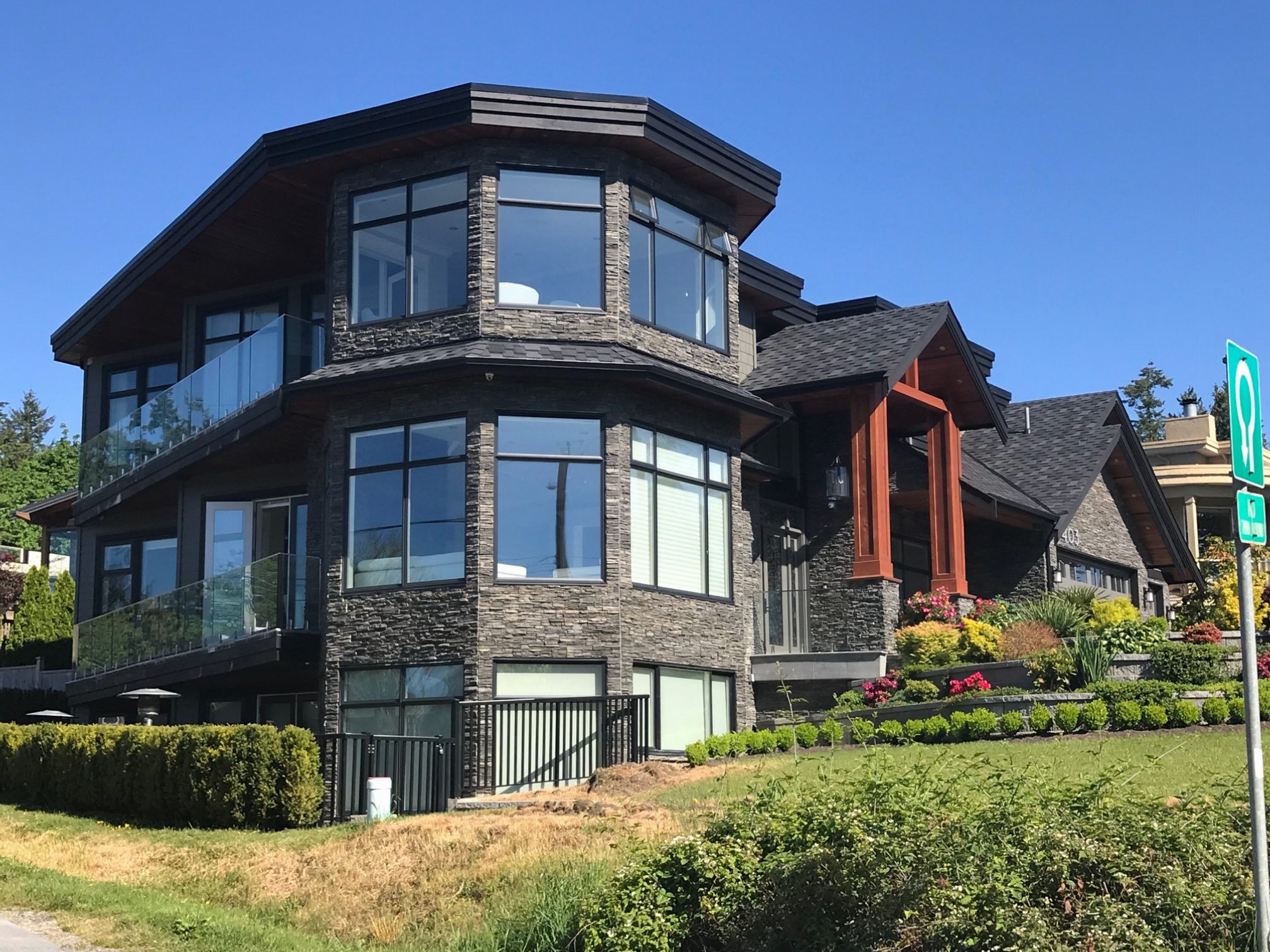
Passive Homes are the international designation for certified, high-efficiency homes. The goal of the Passive Home system is to minimize a building’s long-term carbon footprint with modern building science and building best practices. Homes built to these standards have lofty ambitions that many builders may not be able to achieve. Building passive homes requires attention to the details that the lowest bidder will not have the time, or attention, to consider. Building better homes is not science; it is discipline.
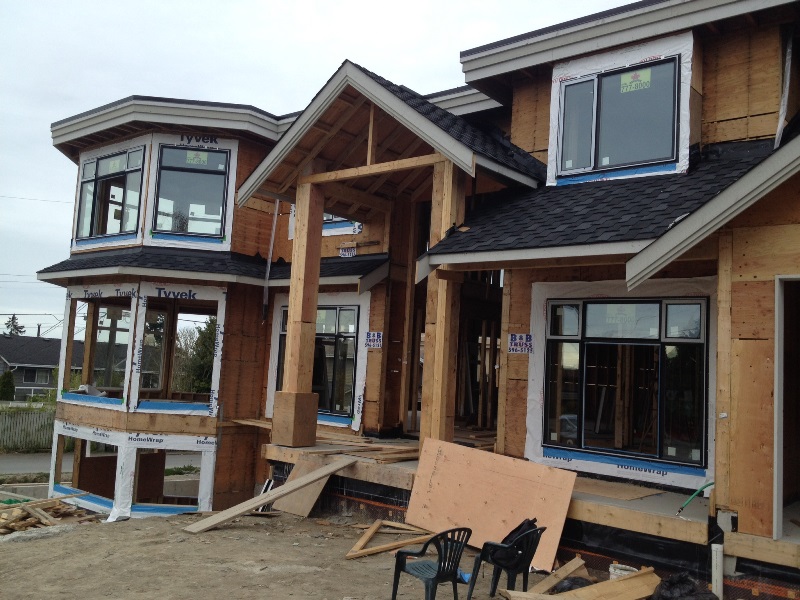
Because many elements of construction are often overlooked to produce houses quicker, many homes built to the minimum Canadian standards include substantial problems that will manifest in only a few years of occupancy. Poor water controls, leaky buildings, and many improperly fitted building penetrations will drastically decrease the efficiency of any home and greatly increase the risks of rodents, insects, and water getting where they should not. Passive home standards require that builders consider these risk factors and take steps to greatly reduce, if not entirely eradicate, these issues.
Requirements for Passive Home Design
There are a few hard-liner rules that any Passive House (or Passive Haus for an alternative standard) system must be able to accomplish. These requirements detail energy demands, airtightness, and thermal comfort.
Prescribed Requirements
| Space Heating Demand | Shall not exceed 15kWh per year or 10W at peak demand per square meter of living space |
| Space Cooling Demand | Same as above, but includes an additional climate-dependent allowance for dehumidification |
| Primary Energy Demand | Shall not exceed 120kWh per year for all domestic applications per square meter of living space |
| Airtightness | Shall be verified on-site to a maximum ACH50 of 0.60 in both pressurized and depressurized state |
| Thermal Comfort | No more than 10% of the hours at 25C or higher |
All homes built to passive homes standards need to be certified during the pre-construction phases and throughout the construction of the building. At each stage, the builder must demonstrate that the products used will meet or exceed the theoretical requirements. At the end of major phases, these requirements are tested for their actual application. Should anything fail at these testing phases, the builder will be required to rectify these issues before retesting. As you might imagine, this is very similar to building code inspections: deficiencies must be addressed before the project can continue. Like all construction projects, failure is the worst-case scenario and should be avoided at all costs. That is why only qualified contractors will take on these projects.
Inside Air Quality – A Fundamental Principle of Passive Home Design
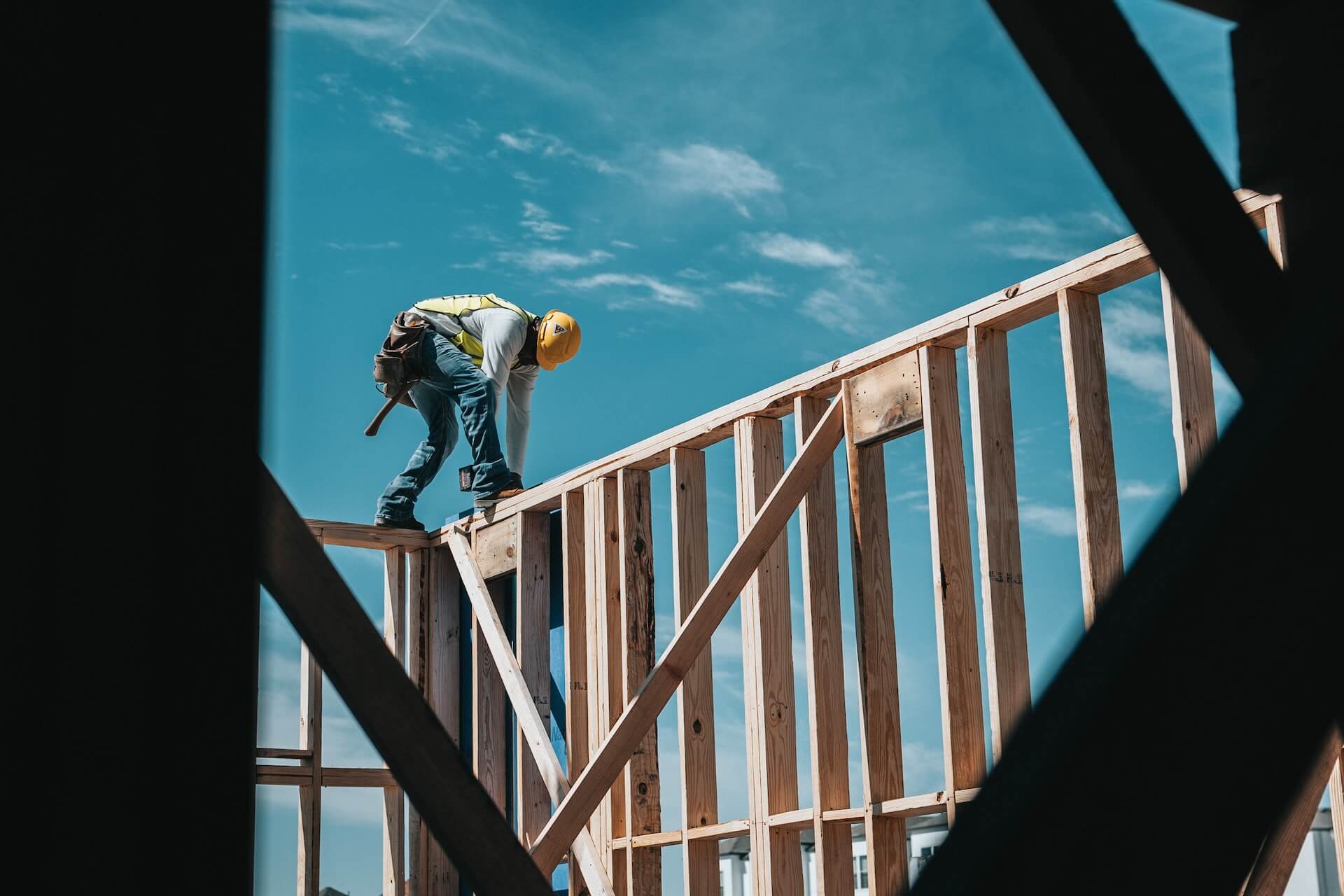
By far the most common issue with most modern construction homes is their air leakages. Consider the order of construction of a typical house wall. First, framing and sheathing are applied, and then the contractors install the building membranes, flashings, and air barriers. Subcontractors and trades then drill holes in the walls to install fixtures, windows, doors, and many other products. Afterward, the general contractor goes around the building applying caulking, sealants, and spray foam to seal those penetrations. In general, this process is sufficient although error-prone. Common errors include insufficient sealing of these penetrations, contractors missing penetrations entirely, or the penetration sealant being prone to failure. All of these errors contribute to massive losses of energy. Consider that these openings are equitable to a large window being open at all times. Imagine a door that you can never close.
What Does Passive Home Do Differently?
Passive Home Standards start by firmly shutting this imaginary door. A layperson may ask, “Don’t I want my house to breathe?” No. Modern materials and techniques eliminate the need to have a house that breathes; we can control moisture with the proper tools and building details. Do you have air quality concerns? A properly sealed house can easily circulate fresh air very efficiently without letting in bugs. What about temperature controls? Air sealing is the first temperature control. The rest of the building considerations make sure that your home stays at the temperature that you want for the minimum energy expenditure.
Minimizing Energy Consumption
Energy efficiency is the core of Passive Home design. In fact, no Passive Home certified building may use more than 15kWh per square meter of living space per year. In some regions, passive house construction beats out conventional energy consumption by 90%. To meet these requirements construction costs are higher. The builder and architect must consider how the whole house will come together at the end of the project. The walls must provide adequate insulation; the roofing design must stop heat loss that is acceptable in to-code construction projects, and every place where air can escape should be tackled properly. Builders have to reconsider all of the most common places where precious energy efficiency escapes the building. Contractors provide customized solutions to ensure a whole-house efficiency level for each issue.
Designers include implementations of sustainable practices into the energy detailing of these structures. Using minimal energy input to maintain the air quality and temperature is just the start. Passive Homes also aim to incorporate the energy from the sun. It can provide much of the energy to heat a Passive Home. Windows allow sunlight to provide the energy for the home and solar energy or geothermal heating may be implemented depending on the design specifications for a specific building.
So, Where do Windows and Doors Fit?
Windows and doors are a top consideration for Passive Homes. These are the largest penetrations in the building envelope and present openings through which air and sunlight may pass. There is a lot of engineering design that your builder will need to know. For the consumer, the primary details are energy efficiency and opening operations. Triple-glazed, insulated glass products are a requirement for these standards. Window manufacturers must insulate the frames too. To meet the requirements of the Passive House certifications, windows and doors must provide excellent seals against air and water ingress. With our current technology and high standards, you cannot install sliding windows in a Passive House. An architect will approve sliding doors if they meet the standards for air resistance and energy efficiency. Lift and Glide door systems are being implemented; however, French doors remain the most common door style for Passive Home construction.
What Windows Qualify for these Standards?
In window systems, we use casement-constructed or fixed windows. Hinged windows use multiple layers of compression sealants. When we close and lock these windows in place, they provide multiple chambers that each provide a significant plane of resistance against water and air infiltration. If you want to open your windows (which you may reconsider after being in one of these homes), you have a few options for hinged styles. The most common are simple casement windows that have hinges on one side and open like a door. Other options are the European styles of windows, such as Tilt & Turn systems, that open like an in-swinging door. On these, you toggle between whether a side of the window or the top of the window opens towards you by changing the position of the handle.
Your Architect Will Guide Us All
Depending on your geography, window manufacturers will design your windows with appropriate Low-Emissions coatings. We control the amount of allowed sunlight energy while maximizing the visibility through the glass. The architect or engineer overseeing the project will provide guidance. The window manufacturer will use their recommendations to optimize the effectiveness of the windows in the overall system.