Blog


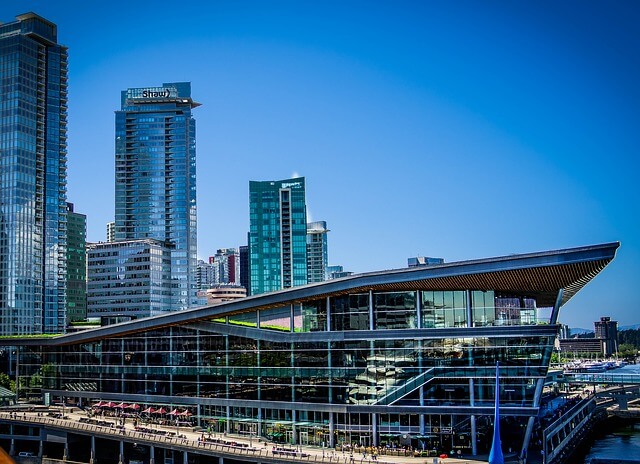
Modern mid-rise residential building facade with high-performance window wall system and large glass panels

Understanding the Zero Carbon Step Code: What 2026 Building Rules Mean for You & Your Envelope

The 2026 Zero Carbon Step Code (ZCSC) is no longer a future target, it is our current operational reality. As of late 2025 and early 2026, many BC municipalities are actively navigating Level 1 Step Code adoption. For architects and building envelope consultants designing mid-rise (Part 3) new builds or major retrofits in British Columbia, achieving these initial steps, and planning for the stringent Emission Level 4 (EL-4), requires flawless execution. Yet, sifting through dense municipal bylaws often yields little more than mechanical and HVAC mandates, leaving a critical gap in clear, actionable guidance for the building envelope itself.

To cut through that bureaucratic noise, we’ve broken down how specific envelope upgrades, like thermal breaks and triple-pane options, help your projects comply without needing complex mechanical systems, helping you mitigate risk and design with absolute confidence.

Continue reading

Technician using a power drill to secure a white vinyl window frame during residential window installation, showing close-up detail of window fitting and sealing.

The 48-Hour Glass Test: Why Local Manufacturing is Your Only Hedge Against 2026 Supply Chain Volatility

Replacing windows in the Lower Mainland is a significant undertaking. Most homeowners spend weeks researching energy ratings and frame styles, trying to ensure their home is protected from our unique coastal climate. However, there is an invisible risk that rarely shows up on a standard quote: the supply chain.

The difference between a successful renovation and a months-long headache often comes down to where your windows are actually made. While many companies promise “quality,” few can provide the certainty that comes with local manufacturing. This article explores why a local supply chain is your best insurance policy against delays and performance failures.

Continue reading

white door near glass mirror during daytime

Window Replacement Cost & Site Assessment Guide: Transparent Pricing for BC Homeowners

For most British Columbia homeowners, window replacement is a “once-in-a-generation” investment. However, the industry often treats it like a commodity sale, focusing on high-pressure tactics rather than technical precision. At A1 Windows, we believe the success of your project is decided long before the first window is installed. This article breaks down our process in stepping homeowners through a professional window site assessment, an engineering-first approach designed to ensure your new windows provide the comfort, noise reduction, and code compliance your home deserves.

Continue reading

The Ultimate Guide to Winter Window Installation in BC

If you’re replacing windows in British Columbia, you know the stakes are high. You’re investing in long-term comfort, fighting persistent moisture and noise, and navigating complex building compliance requirements. Many homeowners wait until the “dry season” to start their projects, but waiting often means enduring another season of high energy bills. 

The common fear, shared by homeowners and property managers, is that replacing windows during the rainy season will cause leaks or interior damage due to our unpredictable weather. With the right protocols, winter window installation in BC is the most strategic time to upgrade your home, and this guide explains why.

In this article, you will learn:

  • The Financial Edge: How off-season scheduling and our current winter promotion can maximize your investment.
  • The “Dry-In” Protocol: Our method for keeping your home protected during a rainy-day installation.
  • The Building Science: Why moisture-curing sealants and proper rainscreen detailing are critical in the Pacific Northwest.
  • Local Accountability: The benefits of working with a manufacturer that builds and installs specifically for the BC climate.
Continue reading

The Manufacturer’s Guide to Ideal Window Frames and Installation in BC

If you’re replacing windows in British Columbia, you know the stakes are high. You’re investing in long-term comfort, fighting persistent moisture and noise, and navigating complex building compliance requirements. The common fear, shared by homeowners and property managers, is paying a premium for windows only to have the system fail due to poor installation or insufficient performance, leading to leaks and interior damage from our wet weather.

The truth is, choosing the ideal window frame is only half the battle; the installation method, specifically its ability to withstand Lower Mainland rainfall and year-round humidity, also determines a successful window installation in this unique climate.

Continue reading

Person wearing protective gloves installing a window frame in a modern home.

“Ask an Installer”: 10 Key Window Questions (And the Answers Pros Won’t Give)

If you’re a homeowner, you know the fear. You’re about to spend thousands of dollars on a major renovation, and you have to trust that the person you hire will do it right. But we’ve all heard the stories, and many of us have lived them: the “guy with a van” who cuts corners, the mess left behind, and the sinking feeling when you realize a “shortcut” just caused a massive problem.

Continue reading

A man in overalls and a hard hat is working on installing a window at a construction site.

The Ultimate Guide to BC Strata Window Replacement: A Project Toolkit for Managers & Councils

A full window replacement is one of the largest, most complex, and politically sensitive projects a strata corporation will ever face. For a strata manager, it’s a high-stakes process of balancing council politics, resident communications, and massive financial and legal risks.

Finding the right product is easy; finding a partner who can manage the process correctly from start to finish is the real challenge.

Continue reading

Construction Safety Excellence: Why Construction Managers & Consultants Need Safety-First Partners

Every year, WorkSafeBC reports over 2,000 construction-related injuries across British Columbia, with falls from height and struck-by incidents remaining the leading causes of work site safety incidents and construction safety violations in our industry.

For building firms and development companies, these statistics represent more than numbers – they highlight the critical importance of partnering with organizations that prioritize construction safety above all else.

Continue reading

Your Complete Guide to BC Window Rebates and Energy Efficiency Programs

Did you know that BC homeowners can save up to 20% on their annual heating costs simply by upgrading to energy-efficient windows? According to Natural Resources Canada, windows and doors account for up to 25% of heat loss in typical Canadian homes. Rising utility costs in BC make it easy for homeowners to explore the different BC window rebate opportunities available through government programs.

Continue reading


Common Mistakes When Renovating Windows

Photo by Tim Arterbury on Unsplash

Undertaking any renovation project is a costly commitment and there are many common mistakes. Products, timelines, contractors, and costs all require management and affordability. Successful projects always start at the planning stages and only end once you are satisfied with the completed work. This article will help you to define satisfaction: why are you renovating, what is the scope, what are your aims, how do you budget, and what do homeowners overlook? If you have a solid answer for all of the above then you are ready to start your project.

Continue reading

Passive House Principles: Real-World Comfort for BC Homes

Photo by R ARCHITECTURE on Unsplash

If you live in the Lower Mainland, you know the feeling: you turn up the heat, but the room still feels chilly. You can hear the bus driving by outside. Condensation forms on the glass every winter morning.

While Passive House is an international certification known for rigorous efficiency standards, the principles behind it are the key to solving these everyday problems. At A1 Windows, we believe you don’t need to rebuild your home from scratch to enjoy the benefits of advanced building science. You just need to apply the discipline of high-performance design to your renovation.

Key Takeaways

  • Passive House principles solve real BC comfort problems like drafts, noise, cold rooms, and winter condensation.
  • You don’t need full certification to see real benefits. Applying Passive House guidelines during renovations delivers quieter, more comfortable, and more efficient homes.
  • Airtightness, insulation continuity, and window performance work as a system. Weak links—especially around windows—undermine everything.
  • Installation quality matters. Proper air and water sealing is essential for Passive-level comfort in BC’s wet climate.

RThe Difference Between “Certified” and “Smart”

Strictly speaking, a Certified Passive House is a building designed to use minimal energy for heating and cooling, often 90% less than a standard build. To earn this certification, a project must meet rigid technical benchmarks.

Core Passive House Requirements

Achieving the official standard involves complex modeling and adherence to these strict performance limits:

  • Space Heating Demand: Must be less than 15kWh per square meter per year.
  • Airtightness: Verified on-site to 0.60 ACH50 (extremely tight).
  • Thermal Comfort: Consistent indoor temperatures year-round with no more than 10% of hours exceeding 25°C.

But here is the reality for most homeowners: You likely aren’t tearing your house down to the studs to chase a certification. You simply want a home that stops wasting your money.

By applying these Passive House requirements as guidelines for your window replacement and retrofits, you can achieve “passive-level” comfort, quiet rooms, stable temperatures, and lower bills without the complexity of a certified science project.ase scenario and should be avoided at all costs. That is why only qualified contractors will take on these projects.

Photo by Josh Olalde on Unsplash

The 3 Pillars of Passive Comfort

Building a better home isn’t magic; it’s physics. To stop the drafts, we focus on three core areas.

1. Airtightness (The Thermos Effect)

Think of your home like a thermos. If the lid is loose, your coffee gets cold, no matter how good the insulation is. Most older BC homes have “loose lids”, tiny gaps around windows, doors, and vents that leak air constantly.

The A1 Approach: We treat your home like a system. Our manufacturing process ensures tight tolerances, but more importantly, our installation teams seal the perimeter of every window to stop air leakage dead in its tracks.

2. Continuous Insulation (The Gore-Tex Jacket)

Standard construction often fails because of “Thermal Bridging” areas where heat bypasses your insulation, usually through wood studs or aluminum frames. Think of your house like it’s wearing a wool sweater. It keeps you warm until the wind blows. A Passive-designed home adds a high-quality shell like a Gore-Tex jacket that is windproof and waterproof but still manages moisture safely.

3. High-Performance Windows (The Shield)

In a typical home, windows are the biggest energy holes. In a Passive-designed home, windows act as solar radiators, capturing free heat from the sun in winter while keeping the cold out.

Photo by Daniel McCullough on Unsplash

Why “Installation” Matters

This is the single most critical factor for BC homeowners. You can buy the most expensive, triple-glazed European window on the market, but if it is installed poorly, it will fail.

Standard “blow-and-go” construction often leaves gaps in the armour:

  • Subcontractors drill holes for wires and miss the sealing.
  • Membranes are cut roughly and untaped.
  • Sealants shrink, crack, or pull away over time.

These tiny errors add up. Imagine leaving a door wide open all winter. That is the cumulative effect of poor air sealing.

The A1 Reality Check: Built for BC Weather

In British Columbia, we don’t just fight the cold; we fight the rain. A window that isn’t integrated into your home’s rainscreen is a recipe for rot.

At A1 Windows, we don’t sub-contract your peace of mind. Our installers follow the BC Housing Best Practices Guide. We ensure air-barrier continuity, meaning we connect the window to your wall’s waterproof membrane so that water stays out and warm air stays in.

Choosing the Right Windows for Passive Performance

Do you need expensive European tilt-and-turn windows to get results? Not necessarily.

The Myth of the Slider

In strict Passive House certifications, sliding windows are often discouraged because it is harder to seal a sliding track than a compression seal. However, for a Passive-Inspired Retrofit, A1’s modern vinyl sliders are engineered with multi-chamber frames and advanced brush seals that vastly outperform older aluminum models.

The Gold Standard: Casement Windows

For maximum airtightness, we recommend Casement or Awning windows.

  • How they work: They operate like a refrigerator door. When you close the latch, the sash is compressed against the frame’s weatherstripping.
  • The Result: The harder the wind blows, the tighter the seal becomes.

Glass That Works for You

We don’t just use standard glass. We use Low-E (Low Emissivity) coatings tailored to your home’s orientation. We can maximize solar heat gain on the south side (free heat!) while blocking UV rays on the west side to prevent overheating.

The Verdict: Comfort is a Discipline

Building a truly energy-efficient home requires more than just good blueprints; it requires an uncompromising commitment to installation quality to ensure the science actually works.

Don’t let your energy budget fly out the window.

Start with a conversation. Let’s identify where your home is losing energy and design a “Passive-Inspired” solution that fits your budget and your lifestyle.


Shopping for Window Deals – The Value In A-1 Windows

Image of A1 windows manufacturing location- Burnaby

At A-1 Windows deals in precisely what we promise: Simply Great Windows, Simply Great Price. When shopping around for window deals, our customers frequently focus on the bottom line. How Much Does It Cost? I am going to show you why choosing the right company can provide much better value than finding the lowest cost for your windows. What are the deals that quality companies provide for their customers?

Window Deal #1 – Long-Term Value

Do you know how expensive poor-quality windows are? Don’t be deceived by window deals that only offer a good price. You are likely becoming more familiar as we seem to be having heat wave after heat wave where modern windows provide the most benefit. Are you opening your windows for ventilation? Are you closing your blinds to block out the sunlight? Older, or poorly configured windows, are not exclusively more expensive, they also reduce your comfort levels within your home.

Updating your windows can reduce your energy costs significantly. During the summer months, good windows can keep the cold in and the sun’s heat out; conversely, during the winter, good windows can trap in the heat and fight away the cold. On average, windows are the part of the house that has the most upgrade potential: they can reduce your costs across the board by making everything in your home more effective and more efficient.

Right now, federal and provincial programs support high-efficiency windows. Learn more by reading our conversation about available government funds.

Window Deal #2 – Resale Value

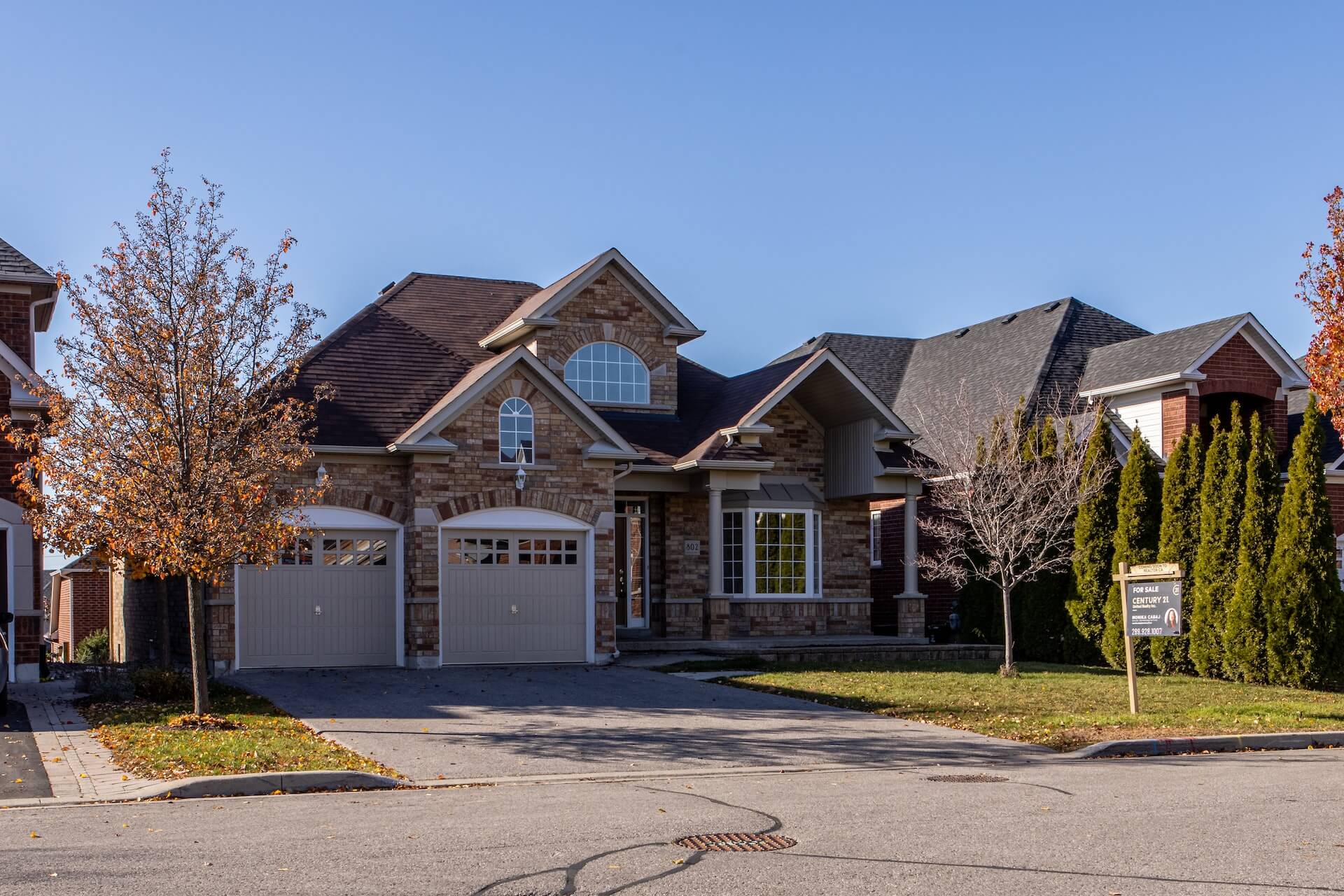
A house listed for sale. Window deals can help to increase your home's value.
Photo by Dillon Kydd on Unsplash

Upgrading windows is usually one of the most cost-effective upgrades a homeowner can perform when they are considering selling. This is for two reasons: the home’s aesthetic and energy efficiency. Few upgrades offer the opportunity to upgrade both of these at the same time. Windows have many different configuration options to optimize both. This means that for an affordable, recoupable cost you can have a dual-action return on investment.

Consider how you can update the look of your home to provide a unique character or style. Do you know about decorative bars? They can provide sightlines and specific styles to your windows. Have you considered adding a splash of color to your façade? Windows come in virtually every color you might want (even yellow!). Last week we briefly covered aesthetic considerations. Give that a read if you want to know how you can make a statement with your windows.

Window Deal #3 – Quality

The best window deal is finding the right product for the right price. Window frames, glass selections, and installations all contribute to the overall health of your windows and the experience you will have with your replacements. The core, however, is that our product is engineered for the future requirements of the Lower Mainland. We target affordable high-efficiency and optimized performance values well in excess of our competition. If you come into our showroom we can demonstrate for you exactly how and why our products outperform the market in similar price ranges.

A-1 Windows was the leader in adopting triple-glazed windows. Our leadership saw that this wave of high efficiency was coming and invested early. Our triple-glazed products are time- and market-tested. We have the top-percentage efficient slider windows and are regularly qualifying for product and service awards. Find us on the following platforms if you want to know more…

HomeStars Best of the Best 2022 Logo
Consumer Choice Award 2022 Vancouver - 20 Years of Winning

Window Deal #4 – Projects Gone Right

A-1 Windows has been in the business for 30 years. We have done full high-rise tower replacements down to single window installations. A-1 has the project experience to coordinate any window project. We are also realistic and will take the time to ensure that everyone starts on, and stays on, the same page throughout the project. The best customers are informed customers and we strive to keep you in the know.

From the beginning of the project planning phases, through the final inspection, A-1 Windows is there to answer your questions and show you why we provide our answers. We have the reference material for all types of jobs if you want to see how your project will look or if you want us to walk you through similar challenges to yours that we have tackled in the past.

Window Deal #5 – Honesty and Integrity

Some people compete on price and you get what you pay for. Others compete on service and it shows. Consideration and consultation are two key factors that help to build trust and understanding between you as a homeowner or builder and us as your window provider. Realistically, the only way that you know what you are getting is by talking with us and understanding our solutions. As contractors that live and die by our reputations, a long-time presence means that we deliver what we promise and have the resources to make sure you get what you expect of us. Part of our job is to manage expectations. We do not want to over-promise and under-deliver.

A-1 Windows will make sure you understand what we are making for you and what we will do once on-site. Every installation and site is different so every installation is unique. We configure our products to match your home and your needs to provide a comprehensive solution. Clean, complete, and proper installations are only the start.

Window Projects are More Than Windows – It’s the People Too

We can meet you at the job site or show you around our showroom. Either way, we want to put a face on your interactions as we welcome you into the A-1 Windows family. Whether you are meeting one of our sales staff, administrator, or installers (heck, even the accountant says “hello!”) we want you to know that we value all of our customer interactions and want to get to know how you envision your window project. We will do our best to make your vision come to life!


Replacing All Windows – Maximizing Cost Efficiency

A picture that captures all four surrounding buildings towering over the photographer. This image should inspire the feelings of vertigo.
Photo by Patrick Reichboth on Unsplash

Are you considering replacing some or all of your windows? Customers frequently ask why a homeowner should choose to upgrade all of their windows at once. There are a few key reasons why we recommend doing a larger amount at once. For some people, the project is about aesthetics while for others the drafty windows need to be replaced with better sealed, more efficient windows. There are different qualities that people value in windows so we want to address the most common concerns and how those relate to doing more windows at once.

Rebates are Temporary

Top of mind for most homeowners is cost. Rebates help to offset those costs once the installation is completed. What rebates are available? How do I qualify? How long will they be available? Honestly, we really only know the answers to the first two. We have covered those questions in another blog that goes over everything you need to know. As to how long the rebate programs will last… no one really knows.

Importantly, each homeowner can only access the Canada Greener Homes Grant once. As this is the largest source of funds for Energy Efficiency incentives, it is best practice for window shoppers to want to maximize their return on investment. If you replace your windows in batches, acceptance is still only for the first application. If you want the full $7,000, you must install 20 replacement windows.

Administrators for the provincial programs issued a notice earlier this year that the scope of rebate-qualified products is shrinking. As of October 1st, any Tier-1 windows will no longer qualify for provincial rebates. By eliminating the lower tier of products, this program update brings the provincial program up to the same energy requirements as the federal Greener Homes Grant. Now the minimum requirement for rebate windows is a U-Value of 1.22.

Less Time with Contractors

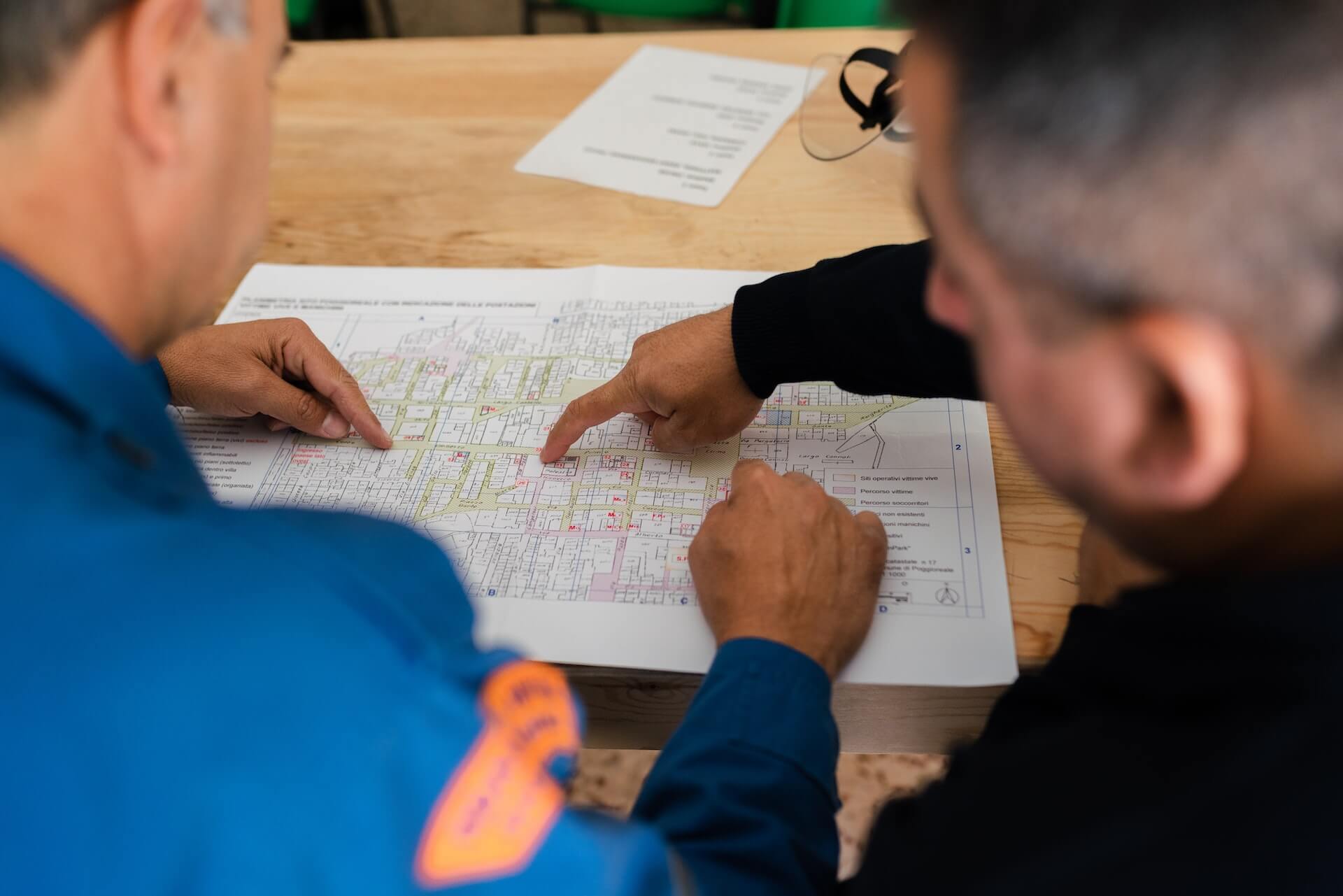
Two people pointing at blueprints on a table. This is supposed to represent a consultation with a contractor.
Photo by ThisisEngineering RAEng on Unsplash

A contractor’s time is their money. In client consultations, the cost is a frequent factor in the contractor selection process. Does replacing more windows will cost less? Per window, yes! Overall, it takes less time to install more windows at once so we have lower labor costs involved in your project. If the contractor only needs to plan one larger installation that work takes less time than planning more frequent, smaller projects. Smaller projects also have more travel time and more downtime and fewer opportunities to make the work more efficient.

In terms of manufacturing, it is also less expensive to place larger orders because our systems are better able to optimize our raw materials. We pass those savings on to our customers. Are the material savings large? Not really. Nevertheless, these savings exist and you should know about them.

Unified Style – Get Your Home All on the Same Page

On your drives around the Lower Mainland, you have likely seen many houses that have mismatched windows. Do you want to own that house? Windows are the finishes on your façade. Different finishes, styles, and installations will contrast starkly against an otherwise unified appearance.  

Windows are transformative. Just like wearing a well-fitted outfit, finding windows that tailor to your style can enhance or exaggerate the best features of your home. Are you curious about your options? Read what we have to say about window aesthetic considerations. Just know that when trying to make your home have one cohesive look or style, many options are available to tailor the look and feel of the windows to match your exact vision. Windows can really pop, make sure that is a selling feature.

Indoor Air Quality

Do you have drafty windows? Is your AC working overtime to keep your air fresh? Is it too hot to be near your windows during the summer? New windows can help.

Drafty windows occur either because of failing weather-stripping or because of poor quality or poorly aging installations. Many of the seals that stop air from passing through the window penetration can degrade over time. Two common causes are symptoms of an older installation. Compression seals on casements work better and last longer than mohair seals on slider windows and caulking is exposed to the elements and may degrade or require a touch-up.

If you have an older house, your windows may not have the modern LowE coatings that we apply to windows. We can tailor the window’s insulation ratings to your comfort preferences and budget requirements. Modern window systems have a diverse range of options to match your needs. We can stop the sun’s heat from coming in, and drastically increase your control of the interior temperature by limiting fluctuations of energy through your windows.

A comfortable living room filled with green plants.
Photo by Patrick Perkins on Unsplash

Energy Savings

When we upgrade windows, we are usually aiming for High-Efficiency standards. In Canada, we follow the Energy-Star guides and provide either Energy-Star qualified or Energy-Star Most Efficient qualified window systems. If you have single-glazed windows, this change will be night and day; however, even people with double-glazed systems will notice a significant change in their energy consumption. Because these modern windows can limit the temperature fluctuations inside your home, your AC or heating systems will need to work a lot less to get you to ideal temperatures year-round. When considering replacing all windows, think about how all of these benefits are cumulative.

Don’t take our word for it either! Consider having an energy evaluation done on your home by contractors registered with Natural Resources Canada. These are the first step on your way to the Canada Greener Homes Grant anyways. These reports will back up our claims 100% of the time. If you have ever heard the phrase “builder-grade windows” you probably know that windows have a range of quality. Good windows provide excellent energy efficiency and are more affordable than ever with the current government funds.


Window Styles: A Brief on Aesthetic Considerations

The garden view of a large stone mansion. The sightlines provided from the newly renovated windows show how window styles and pop out of the building.
Photo by Fabian Wiktor on Unsplash

How well do you know window styles? Do you have an architect’s background in design, do you have a historian’s perspective on building trends, or are you a layperson looking to figure this all out? If you answered that you are looking to figure everything out, then you are in the right place.

American vs. European Window Styles

Let us start with the basics of our geography. There are three types of window hardware sets for windows. Broadly, these are Casement windows where the opening section (a “sash”) is held in place with a hinge that swings outward; sliding windows where the sash moves from side to side or up and down; and European windows, which encompass more complex hinged arrangements. In North America, casements and sliders are the most dominant forms of windows, but European styles are on the rise. For a more focused discussion of aesthetics and common American styles, we will stick to casements and sliders.

Casements vs. Sliders: What are the Style Differences?

When considering window aesthetics, the two most common windows pictured in one’s imagination are casement windows and vertically sliding windows. These window styles are reminiscent of the post-industrial, mass-manufactured window marketplace that were foundational to urban expansion and densification. Horizontal sliders are rising in prominence because of their utility in matching the sightlines of casements for less expense. One consideration that weighs negatively on slider windows is that the sightlines move when the windows open often misaligning the vertical symmetries. Casements, by nature of being fixed in place with their hinge, will not alter sightlines at all.

When discussing styles and aesthetics, we must note how sliders and casements treat picture windows. In casement frames, most companies have two ways of mounting their windows. The two options are to mount directly to the frame, to maximize visibility, or to mount in an unhinged sash to match the opening windows. For slider windows, the unmoving glass is fixed to the frame. It is uncommon that manufacturers will have aligned horizontal sightlines on slider windows.

The front view of a beautiful mansion. This is an example where arched windows styles with decorative bars are on display.
Photo by Nick Romanov on Unsplash

Decorative Bars – Add Lines to Your Windows

One way that you can add a decorative flourish to your home is with decorative window bars. Either these can be on the inside, between the panes of glass, or your manufacturer can mount these to the outside of the glass. The two differences between these options are low vs. high maintenance and, when up-close, you may be able to see that the bars are not connected internally for the external application. For the most part, these decorations are identical in regards to aesthetic design, as one does not simply view the aesthetics up-close.

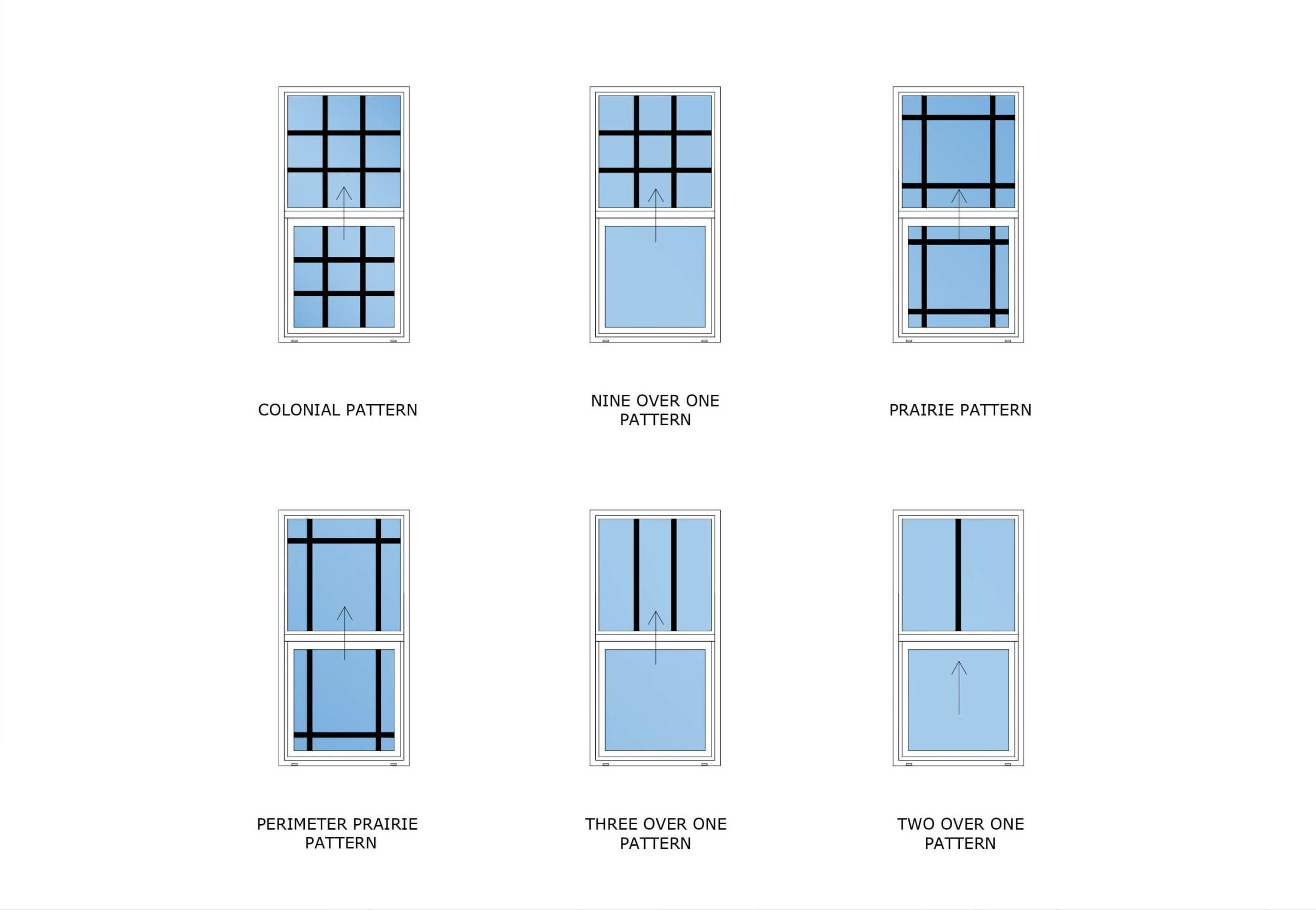
There are several common configurations for different vintage homes. Decorative bars emulate the wooden divisions that are common on wooden windows of which there are common patterns. Different regions have used various terminologies to describe these window styles; however, they fall into either a descriptive name or a style name. E.g. A 9-over-1 window indicates that the top should simulate nine panes of glass and the bottom one pane while a Prairie style indicates bars tracing the perimeter of the glass.

Decorative bar examples. These show the different window styles that are common on vintage homes.
These are customizable!

What About Shaped Window Styles?

Shaped windows are very common in houses built in the late 80s and 90s. Because of the typical 30-year nostalgia cycle, we are starting to see a resurgence of angled and arched windows. Many of these windows need replacing and shaped windows are coming back into style for new construction. Loosely, there are two types of shaped windows: there are windows where the angles are not all 90-degree and there are windows that project out of the wall.

Rakes & Arches

Rakes are the name given to any window that does not have 90-degree corners but that may not have curves. In contrast, arched windows describe any windows that have curved elements. These are not mutually exclusive; a window can be both a rake and have arched elements. Shaped windows usually do not open. The hardware used to allow windows to open cannot be properly affixed to angled or curved elements.

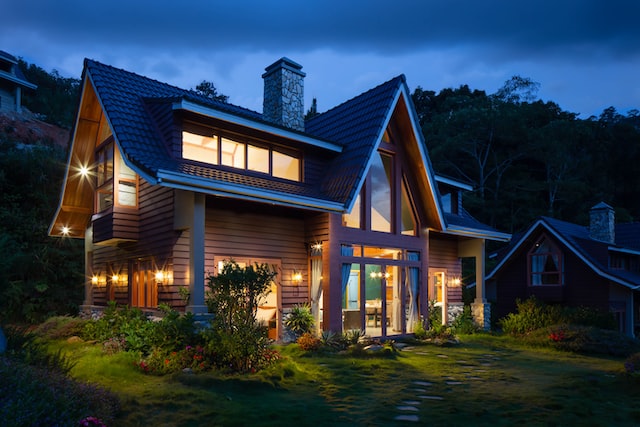
For rake windows, we see many designers opt to have their windows follow the roof’s angle to provide the maximum amount of light into the house. Depending on their span, manufacturers will divide wider windows into smaller sections that match other vertical elements. In homes built in the 90s, it is common that these will be transoms over French doors or patio doors with vertical mullions aligned.

A cabin-styles home demonstrating the use of rake window styles in aligning with the pitch of the roof.
Photo by vu anh on Unsplash

Arched windows are more versatile for decoration but the change to vinyl as the primary frame material makes replacing existing arches more difficult. Arched windows come in two most common designs. They are usually either half-rounds or “eyebrow” windows. On eyebrow windows, the arched element at the top has a larger radius than the width of the window. The depth of the curve on these windows makes them easy to produce in vinyl.

Aluminum windows that were common in the previous millennium have tight radii that may not be replicable in vinyl. On wider windows, or eyebrow windows, this is not an issue. For half-rounds, however, different manufacturers will have limits on the minimum radii of their arches.

Bays & Bows

Bays and Bows project out from the wall’s vertical plane. There are many different designs and styles so we will only cover the commonalities. Bay windows are usually three sections: one large central section with two smaller sections on either side. These will have varying angles and sizes depending on the projection. Bow windows are made of three or more windows of equal size where the definition of the projection is a specific radius. Similarly, the radius and width determine the sizes and angles. Otherwise, these windows have no defining features. If you want to have opening sections on these windows, doing so is an achievable goal.

Both bay windows and bowed windows come in two varieties. These windows have “True” and “False” versions. On a true version of one of these window types, one window system fills the whole opening. This system has multiple sections connected with couplers or welds. The false versions of these windows will have separate framed openings for each section of the window. Producers of the “True” versions of these windows are becoming scarce. These are difficult windows to produce and more difficult to service. Manufacturers will help you design the “false” variants of these systems to optimize your cost and performance.

Your Window Style

Ask your window manufacturer to provide you with a rendering of exactly how your windows will look. If you have prepared plans for a renovation, or if you are building anew, your window manufacturer can assist you in designing and aligning the aesthetics of your home to your ideal vision. Dress your home with your window style. Reach out for a consultation and get the windows you deserve!


Home Window Replacement in BC: 5 Critical Decisions That Determine Cost & Quality

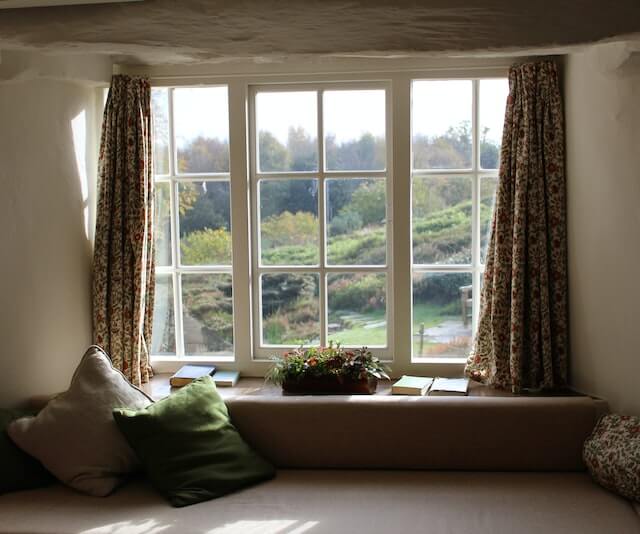
A large wooden window looks out on a picturesque hillside.
Photo by Rob Wingate on Unsplash

Do you know exactly what is happening to your home when the old windows come out?

Customers ask us every day what to expect when replacing windows. But often, they ask the wrong questions first. They ask “How much?” before asking “How?”

At A1 Windows, we believe an educated customer is a happier customer. We have identified five critical areas where expectations often clash with reality. Understanding these upfront is the difference between a stressful renovation and a project that delivers comfort, quality, and compliance for decades.

Here is the honest truth about Window Replacement Cost, Timing, Installation, and Maintenance.

Key Takeaways

  • Cost is driven by installation quality, not just the window itself. The cheapest quote often leads to higher long-term repair and energy costs.
  • You can’t judge window quality from a quote alone. Seeing and operating the product in person reveals real differences in performance and durability.
  • Timing matters in BC’s building climate. Planning ahead helps avoid weather delays and rushed decisions during peak construction season.
  • Proper installation protects your home. Full integration with your home’s waterproofing system is critical for long-term performance on the West Coast.

1. The Product Reality: Don’t Just Look at Pictures

We have written extensively about the technical side of replacing windows in our Vinyl vs. Aluminum Windows guide, but there is a limit to what you can learn online

Don’t: Assume You Understand Quality from a Quote 

While we try to make our quotes concise, a PDF cannot convey engineering. A vinyl corner sample looks the same on a brochure, whether it costs $300 or $800. Relying solely on a spec sheet leaves you guessing about the “feel” of the hardware, the thickness of the vinyl walls, and the clarity of the glass.

Do: Come Into the Showroom and “Test Drive” 

Buying high-performance windows based on a PDF quote is like buying a car without a test drive. You need to feel the weight of the sash and the snap of the lock to understand what you’re paying for.

Ask us to explain the difference between “standard” and “safety” glass.pe of service and refer people to general contractors who can source the labor and materials for your entire project.

  • Visit our Lower Mainland showroom.
  • Operate the crank handles and sliding mechanisms.
  • Ask us to explain the difference between “standard” and “safety” glass.

2. The Price Tag: Why “Lowest Bidder” is Risky

Every window company is different, just as every house is different. Window replacements on a stucco home in Burnaby requires a completely different approach than a wood-sided home in Squamish.

Don’t: Pick the Lowest Price First 

If two quotes look identical on paper, but one is 20% cheaper, ask yourself: What is the lower bidder leaving out? Usually, it’s the things you can’t see until it’s too late—like proper flashing, disposal fees, or skilled labour. Do not let “Sticker Price” be your only metric. Ask these hard questions:

  • Why is this quote less expensive?
  • Does this price include rot repair if discovered?
  • Is the warranty backed by a local manufacturer or a 1-800 number?

Do: Compare the “Total Value” 

Compare the Energy Ratings (U-Value) and the installation method first. These are objective facts. A lower U-Value means better insulation. A “Full-Flange” installation (more on that below) offers superior waterproofing but costs more in labor.

Key Takeaway: The “cheapest” window often costs the most in the long run due to drafty seals, water leaks, and premature failure.

3. The Timeline: Scheduling Around the “Wet Coast”

Construction in British Columbia is a seasonal business. As the rain subsides, we get busier; as the atmospheric rivers return, work slows down.

Don’t: Be Unrealistic With Your Expectations.

Your home’s building envelope requires a window specialist, not a handyman who can squeeze you in next Tuesday. We are specialists. If your project requires major structural reframing, we will tell you honestly that it is out of our scope and refer you to a General Contractor who can manage it properly.

Do: Plan Early (The 3-Month Rule) Start the conversation three months before you want the work done.

  • Shoulder Season Tip: Smart homeowners book in late winter or early spring. You often get faster manufacturing times before the summer construction rush hits the Lower Mainland.
  • Weather delays are real: We will not compromise your home’s interior by opening up walls during a storm. We work room-by-room to maintain comfort, but safety and weatherproofing always come first.

4. Installation: The Most Critical Decision

How the window gets into the wall matters more than the window itself. There are two primary methods, and you need to know the difference.

1. The “Retrofit” (Renovation) Method: The installer leaves your old frame in the wall and slides a new window inside it, covering the gap with wide trim.

  • Pros: Cheaper, faster, less mess.
  • Cons: Reduces glass area (less light) and relies on old, potentially compromised waterproofing.

2. The “Full-Flange” (New Construction) Method: We cut back the siding, remove the old frame entirely, inspect the rough opening for rot, and install the new window with a nailing flange integrated into your home’s weather barrier.

  • Pros: Maximizes glass area, ensures a watertight seal, 100% code compliant.

Don’t: Be Afraid to Ask “How?” Many contractors default to “Retrofit” because it is faster for them. If a contractor suggests a Retrofit on a wall exposed to high wind and driving rain, ask them to explain how they plan to waterproof the head flashing. If they can’t answer, walk away.

Do: Get to Know Your Installation Method Key Takeaway: The “Renovation” method is faster, but the “Full-Flange” method is the only way to guarantee your new windows are fully integrated into your home’s waterproofing system. At A1, we default to best practices, not shortcuts.

5. Maintenance: Protect Your Investment

Modern vinyl windows are incredibly low-maintenance, but they aren’t “no-maintenance.”

Don’t: Pressure Wash Your Windows 

We know pressure washing makes cleaning siding easy, but high-pressure water can destroy window seals and strip away caulking. This can void warranties and lead to water ingress.

Do: Check Your Drain Holes 

In the spring, and just before the fall rains start, check the “weep holes” on the exterior bottom of your window frames. These allow water to drain out. If they are clogged with dirt or spiderwebs, water can back up into the frame. A simple pipe cleaner is often all you need to clear them.

Why Take Our Word For It?

A1 Windows isn’t just a vendor; we are a locally owned manufacturer and installer operating right here in the Lower Mainland.

Our installation protocols strictly follow the BC Housing Best Practices Guide, ensuring your warranty remains valid and your home stays dry. 

We don’t just sell windows; we engineer comfort.

Ready for a conversation, not a sales pitch? If you have done your research and want a detailed, no-nonsense assessment of your home’s needs, contact us today.


Summer Refresher on Home Rebates: Save Energy in Your Home

We have talked about them before, and they are still around: rebates! Get your government funded upgrades for your home. We are a window company, but we know that you may be looking at a whole assortment of different upgrades. Just so you know, there are rebates for all types of home improvements and appliances. While windows are usually the topic de jure around these parts, we know that we have a diverse customer base for whom cutting costs is top of mind.

Who Provides These Rebates?

The rebates programs are an investment from the utility companies in partnership with the federal and provincial governments. Together these partnerships have formed the CleanBC fund here in our province; on the larger scale, we have the Canada Greener Homes Initiative. Your tax dollars and current utility bills are providing the funds for these programs so you might as well take advantage of them while the funds last.

Why are Rebates Being Offered?

To put it simply there are two prongs to this approach: Canadian Products and Canadian Jobs. The green energy initiative are nice, don’t get me wrong, but these programs are creating jobs in manufacturing, trades, and green technology spaces. Your buy-in as a consumer also indicates your commitment to the environment (or your wallet – synonyms in this context). This is politics done right: support the buying power of Canadians, build Canadian Jobs, and save Canadians money. A win-win-win scenario that all parties can claim to have helped build.

What are the Home Rebates Rules

Let us start with the big picture and narrow it down. There are two programs: the Federal Canada Greener Homes Initiative and the Provincial CleanBC program. Each of these programs has different requirements and different timelines. We have written an example for windows, which is still accurate if you want a specific example.

Generally, you can do both at once by following this timeline:

  1. Qualify your home with an Energy Evaluator Inspection
  2. Get quotes for the products and services recommended
  3. Ensure that the products match the rebates – see “NRCan Codes” below
  4. Select a vendor to provide the products and installation
  5. Contact your Energy Evaluator for the post-installation Evaluation
  6. Fill out the paperwork for both programs simultaneously

That is our patent-pending, sure-fire QGESCF method. Internally we refer to this as simply the “Kafka” method.

What If I Can’t Afford The Products Even With the Rebates?

You need to know about the Income-Qualified Program (referred to as IQP) for the CleanBC program. Many companies or contractors are registered as able to perform high-efficiency installations. Independent bodies qualify the products and services that these providers offer. If they meet the high bar of entry, then CleanBC may elect to add them to their list of contractors [https://betterhomesbc.ca/iqp-registered-contractors/]. The Federal Program does not currently have an income-qualified pathway.

You can qualify for a larger rebate depending on the income level of your household compared with how many people live in your home. Those in the Income Level 1 bracket can qualify for a 95% rebate while those in Income Level 2 can qualify for a 60% rebate. While there is a lot of scrutiny over this program, if you qualify for the regular rebates, and your income is within the ranges on the table below, you will likely qualify for the IQP program. Follow this link for the Qualifications PDF.

Number Of People In Your Household
Including Children
Household Income – Level 1Household Income – Level 2
142,59355,903
253,02669,596
365,18985,560
479,147103,880
589,768117,820
6101,242132,880
7+111,718147,943

What Are the Rebates for Renovation Projects?

There are wide ranges of products that qualify for rebates. All of these different categories have different levels of rebates depending on the types of products available. These rebates are all aimed at making your home use less energy. That can be from sealing your home from the elements or that could be from you using less electricity to heat your home. The end goal is the same: to reduce your energy bills. Through the regular qualification, the smallest rebates start at $50 for a mid-efficient window and go as high as $6,000 towards a central duct rework.

There is also an incentive for you to access multiple rebates at the same time! If you complete two eligible upgrades within the prescribed timeframe, the Provincial government will chip in an additional $300. Consider that it is in the best interest of your wallet to do upgrades all at once and talk with your energy adviser about which upgrades will be the best for your home. Maximize your return to minimize your bills! There is also a $40,000, interest-free loan available if your home is qualified for the Federal program.

Enough Preamble; What Products Qualify‽‽‽

All right, All right… here is what you came to read:

These Products Qualify For Rebates on Their Own

ProductRebateComments
Attic Insulation250-1800Minimum 20% Area
Cathedral or Flat Attic Insulation250-600Many Conditions Apply
Exterior Wall Insulation R7.5660 – 3300Prorated by Coverage
Exterior Wall Insulation R13760 – 3800Prorated by Coverage
Exterior Wall Insulation R201000 – 5000Prorated by Coverage
Exposed Floor Insulation350Minimum 120 Square Feet
Foundations120-240 or 400Depends on House Type
Basement Wall R10210 – 1050Prorated by Coverage
Basement Wall R22+300 – 1500Prorated by Coverage
Basement Wall Upgrade R7.5 to R12660
Crawlspace Insulation R101040Semidetached and Rows are Prorated
Crawlspace Insulation R231300Semidetached and Rows are Prorated
Crawlspace Ceiling Insulation R24800
Air Sealing to Target550
Air Sealing +10%810
Air Sealing +201000
Windows and Doors50 – 350 eachDepends on U-Value
Ground Source Heat Pump – Full System5000
Replace Heat Pump – Pump3000
Air Source Heat Pump New Install2500Two indoor Head Units
Air Source Heat Pump install or replace4000Three indoor Head Units
Cold Climate Heat Pump5000Many Conditions Apply
Water Heater Heat Pump1000
Solar Panels1000/KW

These Must be Combined With Other Rebates

ProductRebateComments
Batteries for Photovoltaic systems1000For Standby Power to Home
Roofing Membrane150
Foundation Water=Proofing875
Moisture-Proofing crawlspace600
Smart Thermostat50

How Do I Compare My Quotes?

NRCan Numbers. Every product that qualifies for rebates must be registered with the Federal government bodies called Natural Resources Canada (hence NRCan). When we register products, independent laboratories test the products in standard formats to make the comparisons as easy to evaluate as is possible. Different products will have different values tested, but they will all be the same values and tests for a given product. Obviously, I am most well versed in windows. Our comparisons usually have two important values, which are the U-value (the window’s thermal resistance) and the Solar Heat Gain Coefficient (how much sunlight will affect your home). When you look up a product on the NRCan registry that is how consumers are to compare windows.

Anything Else I Should Know?

Your energy adviser is — at all times — supposed to be an independent party providing you with a consultation about how to best retrofit your home. They will provide you with a report that shows you a breakdown of your energy use and can roughly evaluate how much energy different products will save you in energy usage. This is the best tool you have to make an informed decision. In our experience having seen many such reports, windows are usually one of the best upgrade opportunities, however…

This window company’s blog has an implicit bias: we want you to buy our windows.


How to Save Energy During the Summer Months

If you want to save energy at home there are a few very effective strategies for reducing the amount of energy you need to use to be comfortable in your home. While the “Recycle” craze has taken a hold of our society, “Reduce” is still the foremost pillar of the Three R’s Framework. Where we can, using less energy is the best way to limit our greenhouse gas emissions. If you can save energy, save money, and save the planet, is not that a noble goal?

1.    Save Energy, Use Your AC!

AC units are a fantastic way to get a comfortable home for a reasonable price; however, most homeowners do not know that these machines require upkeep. Pop quiz: how often should you service your at-home Air Conditioner? You should service it at least every other year! Did you get your unit serviced in last year’s Heat Dome? Many homeowners neglect to take care of their AC units and it is costing them money and comfort!

Molds, Mildew, and Moisture can all accumulate in your AC unit. These problems can lower the quality of your air filtration and, more importantly, they reduce the efficiency of your AC unit. Make sure that whoever services your AC – that person can be you! – cleans or replaces the air filter, cleans the condenser fins, and removes any built-up gunk and excess moisture. These simple fixes should not take long and are one of the ways to save energy while cooling your home.

2.    Boycott the Sun!

Did you know that one of the most effective ways to reduce how much the sun heats up your home is by blocking the sun light from getting in? You likely already have blinds, drapes, or other window coverings. When the sun is shining bright, you can block it out. This is most effective on south-facing windows where you get tonnes of intense, daylong sunlight baths that soak your home in solar heat.

Save energy by needing less of it! Draw your curtains and block out the sunlight. If you have exterior shades, those are more effective than interior ones but use what you have. If your windows are in shade, then so too is your home. When you stop your home from heating up on the inside, you can turn down the AC or allow more natural light into areas of your home with less direct sunlight.

3.    Close the Lights and Turn Off the Circuits

Do you want to know how to save energy at home? Consider how many electronics you have and when you are actually using them. Why not try turning off the lights in your home? I am not suggesting you brood in the darkness and shut yourself in — not at all! Let the light in where it will heat up your home the least. If you have shaded backyards, or you live close to neighbours, your house may already benefit from some natural shade. Where you can, let in ambient light not direct sunlight. If you still have incandescent lights, or you have lights that become hot after a while of use, they may be using more energy than you think! If there is enough natural light, consider turning off the lights you are not actively using.

This is general advice for any electronics in your home: when not in use, turn them off. For example, many consumers leave their computers and computer monitors on for long periods of inactivity. Most systems will benefit from a full shutdown occasionally anyways so instead of using the “sleep” or “hibernate” functions on your computer, use the “shutdown” function instead. Sleep and Hibernate both use some electricity to keep your work save in memory. Eventually this will noticeably slow down your computer all while costing you energy you can save.

4.    Captain Obvious exclaims, “Heat = Hot!”

Those large appliances in your home, whose only job is to make heat, take a lot of energy to generate that heat. Then, once you machines generate that heat, they release that heat into your home. That means that not only did you use a tonne of energy you now have to use even more to cool down your home! During the warm summer months consider alternatives to both your oven and your dryer.

Need I convince you that Barbeque is an almost perfect summertime activity? I didn’t think so. Will I need to convince you to hang-dry your laundry? If you have to air-dry inside I think this one might be a hard sell. To get rid of the humidity you would need to crank up your AC. If you air-dry outside, it is actually a good deal – weather permitting.

5.    Cut Your Energy Usage not Your Activities

Now, I would be remiss not to mention what this blog is actually about. Energy efficient products have metric tonnes of carbon-footprint-erasing rebates. If you are looking to make better use of the products you enjoy consider looking at the provincial rebates for various appliances. For upgrades to your home, a combination of the federal grants and the provincial rebates will get you a lot of funds towards your upgrades.

You should know that in terms of energy efficiency of your home the Federal grants require you to have an energy evaluation. Windows, just as a matter of building science fact, are usually the weakest link in your building’s energy barriers. In all of the evaluations I have seen windows are always one of the upgrade recommendations. Unless your builder aimed for passive-haus or 2022 energy requirements, your windows can be, and likely should be, upgraded to Energy Star levels. You can read what I have written about the rebates for windows in this article.


Window Condensation 101: Is it a Humidity Issue or a Failed Seal?

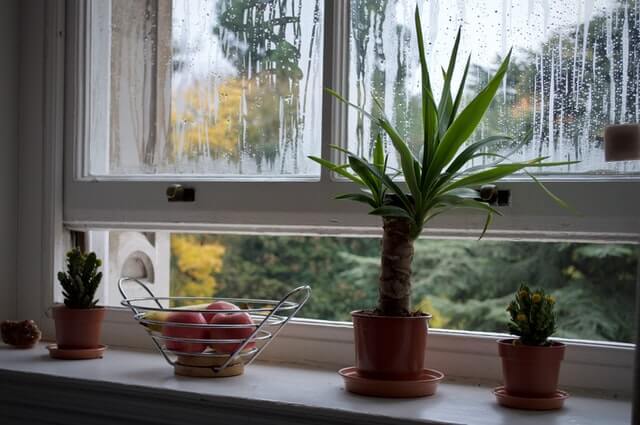
A series of potted plants are in front of an open window in the early hours of the morning. Condensation on the window appears to have finger marks drawing shapes.
Photo by william santos on Unsplash

In British Columbia’s maritime climate, seeing moisture on your windows is almost a seasonal rite of passage. But for homeowners in the Lower Mainland and Sea-to-Sky corridor, that “fog” can be a source of anxiety. Is it a harmless weather effect, or a sign that your home’s building envelope is failing?

At A1 Windows, we believe in accountability through education. This guide will help you diagnose exactly what your windows are telling you, so you can choose the right fix, not just the most expensive one.

The 3-Step Diagnostic: Where is the Moisture?

Condensation occurs when water vapour in the air hits a cold surface and turns back into a liquid. To Paul, the “once-and-done” homeowner, the most important question is: Where is it located?

1. Condensation on Windows (The Safe Sign)

If the moisture is on the outside of the glass, take a deep breath; this is actually a sign of a high-performance window. It occurs when the glass is colder than the dew point outside. It is common in vinyl and aluminum windows across the Lower Mainland and is entirely harmless. Condensation on windows is one of the most common concerns we hear from BC homeowners, but in most cases, it’s simply a sign that your windows are doing their job.

2. Interior Condensation (The Humidity Warning)

Moisture on the glass inside your home is a “canary in the coal mine” for your indoor air quality. It usually means your home’s relative humidity is too high or your airflow is restricted. While the windows aren’t “causing” the water, they are the coldest surface in the room, making them the first place moisture settles. If you’re noticing condensation inside windows, this is a strong signal that your home’s humidity levels need attention.

3. Condensation Between the Panes (The Red Flag)

This is the only “worst-case” scenario. If you see fog, droplets, or calcium streaks inside the sealed unit that you cannot wipe away, your window’s seal has failed.

  • The Result: The insulating Argon gas has escaped, and the desiccant (moisture-absorber) is saturated.
  • The Fix: The thermal integrity is gone. This is a primary indicator that it is time for a professional replacement.

Key Takeaway: Exterior fog is normal. Interior fog is a humidity warning. Fog between the panes is a broken window.

Why Do My New Windows Have More Condensation?

It sounds counterintuitive, but it is a question we hear often at our Burnaby showroom: “My old, drafty windows never fogged up. Why do my new A1 windows have moisture on them?”

We call this the Efficiency Paradox.

Think of your home like a high-performance Gore-Tex jacket. Your old windows were likely “leaking” air, allowing moisture to escape through gaps and cracks. When we perform a Built-Right installation following BC Housing Best Practices, we seal those leaks. Your home is now more airtight and energy-efficient, but it also traps the humidity you generate from cooking, showering, and even breathing.

Causes and Solutions for Interior Condensation

If your seals are intact but you’re still seeing interior fog, the culprit is environmental. In the Lower Mainland, where baseboard heating is common, air often becomes stagnant.

Common Humidity Sources:

  • Daily Living: Hot showers, boiling water, and laundry.
  • Indoor Jungles: Houseplants store and release significant moisture.
  • The BC Basement: Older foundations can allow moisture to seep in, increasing the load on your upstairs air.
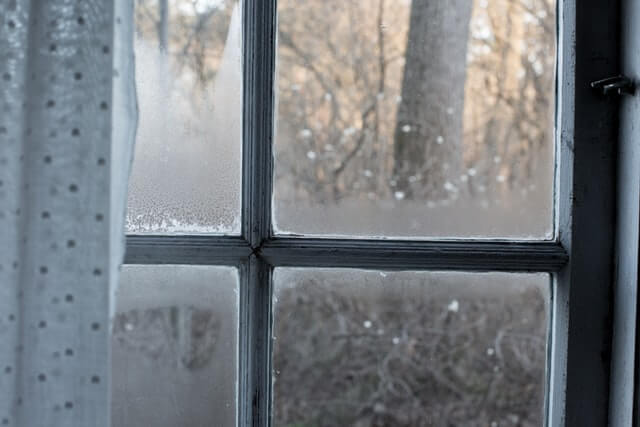
A potted plant sits in front of a window. There is excessive condensation apparent on the window glass.
Photo by Nora Hutton on Unsplash

How to Clear the Air:

  • Increase Circulation: Use kitchen and bathroom fans longer than you think you need to.
  • The “Lüften” Method: Open windows for 5–10 minutes a day to exchange “wet” indoor air for “dry” outdoor air.
  • Check Your Coverings: Heavy drapes can trap a pocket of cold, moist air against the glass. Open them during the day to let the glass warm up.
  • Upgrade to Warm-Edge Spacers: If you are replacing windows, ensure they use “warm-spacer” technology. A1’s vinyl windows are engineered with these to keep the edges of the glass warmer, significantly reducing the chance of condensation.

The Hidden Costs of Ignoring Window Condensation Problems

For many homeowners, a little “sweat” on the glass seems like a minor nuisance. However, water is the primary antagonist in construction. When window condensation problems are left unaddressed, they rarely stay confined to the glass.

  • Structural Decay: Over time, consistent interior condensation runs down the glass and pools on the wooden “sill” or “liner.” In many Lower Mainland homes, this leads to wood rot that remains hidden behind the drywall until it becomes a costly structural repair. The key thing to understand is that condensation inside windows is not just a cosmetic problem; it is a slow-moving threat to your home’s structure.
  • The Mold Connection: Stagnant moisture combined with the warm interior of a BC home creates the perfect breeding ground for mold and mildew. This isn’t just an aesthetic issue; it’s a health concern for families and a major red flag for strata councils.
  • Compromised R-Value: If the condensation is between the panes, your window has lost its insulating power. You are effectively paying to heat the outdoors, as the inert Argon gas that blocks heat transfer has been replaced by moisture-laden air.
Water condenses on a wooden window that has a loose drape on the interior.
Photo by Ozgu Ozden on Unsplash

Engineering the Solution: How Local Manufacturing Fights Condensation

Not all windows are built for the Pacific Northwest. At A1 Windows, our manufacturing process in Burnaby is specifically tailored to the high-humidity challenges of the Sea-to-Sky corridor. We focus on two critical engineering components:

1. Warm-Edge Spacer Technology

Older windows often use aluminum spacers to separate the glass panes. Because aluminum is a highly conductive metal, it pulls the cold from the outside directly to the edge of the inside glass. This creates a “cold zone” where condensation is guaranteed to form. A1 uses warm-edge spacers made of low-conductivity materials. By keeping the edges of the glass warmer, we push the “dew point” further away, keeping your windows clear even when the BC winter is at its wettest.

2. High-Performance Vinyl & Thermal Breaks

Vinyl is naturally non-conductive, making it an excellent insulator. However, our frames are further engineered with multiple internal chambers. These chambers trap air and act as a “thermal break,” ensuring that the freezing wind in Whistler or the damp air in Coquitlam doesn’t transfer through the frame to your warm living room.

By controlling the surface temperature of the entire unit, not just the center of the glass, we provide a comprehensive defence against condensation.

The A1 Difference: Quality Without Shortcuts

At A1 Windows, we don’t just “drop in” glass. We manage the entire process, from local manufacturing in our BC facility to professional engineering and installation. Because our installation teams follow the British Columbia Housing Best Practices Guide, we ensure your new windows are integrated perfectly with your home’s rainscreen or siding. Our goal is to solve your condensation problems while maintaining the structural integrity of your building envelope.

FAQs

What are the best types of windows to reduce condensation?

Modern vinyl windows with “warm-edge spacers” and Argon gas fills are the gold standard for BC. They provide the best thermal break between the cold outdoor air and your warm living space.

Does window condensation cause mold?

Condensation itself doesn’t, but unattended pooling water can rot drywall and encourage mold growth. If you see water “pooling” on the sill, it needs immediate attention.

Can I just replace the glass if the seal fails?

In some cases, yes. However, if the frames are also aged or poorly installed, a full-frame replacement is often the more cost-effective long-term investment for your home’s value.

AUTHOR

Brandon P. – Sales Manager

With over 25 years of experience in the window manufacturing sector, Brandon has led installation teams on both complex residential retrofits and large-scale commercial projects across British Columbia. He ensures every A1 assessment is viewed through the lens of long-term building envelope performance.


How to Choose the Best Window Installer in BC: 6 Essential Criteria for Homeowners and Builders

Photo by Annie Gray on Unsplash

Whether you are a homeowner protecting your largest investment or a project manager safeguarding a multi-unit construction schedule, choosing the right contractor is a critical decision. The work they do will have a substantial impact on comfort, livability, and long-term asset value.

We have all heard the disaster stories, broken promises, blown budgets, and inadequate workmanship that leads to costly leaks. So, how do you cut through the sales pitches to find someone who provides genuine quality and compliance?

If you are evaluating your options, here are the top six indicators of a company that actually delivers on its promises.

1. Look for End-to-End Project Accountability (No Subcontractors)

Your first job when selecting a contractor is defining what you expect from the process. Are you looking to improve aesthetics, eliminate street noise, or maximize energy efficiency rebates? Once you know your goals, you need a partner capable of executing them flawlessly.

Ask yourself: Are you hiring a true window manufacturer, or just a marketing company that outsources the hardest part of the job to the lowest bidder?

When searching for reliable window installation services, look for a company that offers complete accountability. A team that manages the entire lifecycle, from local engineering and permitting to final installation and warranty, eliminates the finger-pointing that often plagues multi-vendor projects.

2. Verify Adherence to BC Housing Best Practices and Building Codes

Renovation and replacement jobs are where true professionals shine. An inexperienced contractor will promise you the moon; a contractor worth their salt will tell you exactly what can and cannot be done safely. Good contractors say “no” to unreasonable requests or shortcut methods that jeopardize performance.

Whether you are hiring a residential window installer for a single-family home or a commercial window installer for a mid-rise development, demand proof of best practices. They should strictly adhere to the BC Housing Best Practices Guide to ensure proper rainscreen installation and long-term building envelope integrity. If they don’t discuss weatherproofing during the quote, walk away.

3. Evaluate Warranty Fulfillment and After-Care Reviews

Almost every contractor lives or dies by word of mouth, but reviews only show part of the picture. Everyone has 5-star reviews immediately after the job is done. What you really want to know is what happens when something goes wrong.

Look for the bad and the good. Do the reviews seem too good to be true? Read the middle-rated reviews to see how the company handles issues. A trustworthy window installer makes fixing problems a priority and does not make their warranty complicated to exercise. Always check independent, third-party tools like the Better Business Bureau (BBB) or HomeStars to see a company’s true track record.

HomeStars Best of the Best 2022 Logo
Better Business Bureau Logo

4. Ensure Windows are Locally Manufactured for the Pacific Northwest Climate

When choosing a custom window installer, consider where the product is actually made. Windows engineered for the dry heat of California will fail against the driving rain of the Pacific Northwest.

A big part of a successful installation is knowing your products are designed for local conditions. Look for a company that manufactures its windows locally and is transparent about its sourcing. Not only does this support local jobs, but it also means replacement parts and warranty services are just a phone call away, rather than a border-crossing away. (Curious about how we do it? Take a look at our local manufacturing process here.)

5. Demand Transparent, Educational, and No-Pressure Consultations

Photo by Scott Graham on Unsplash

Hiring an installer without understanding their process is like buying a high-performance car without checking if the engine is installed correctly. The best glass in the world will still leak if the installation methods cut corners.

Before you sign a contract, your consultation should feel like an education, not a high-pressure hostage negotiation. The representative should be able to walk you through the process from A to Z, detailing exactly what the job will look like, what is included in the scope of work, and what happens if unforeseen rot is discovered.

6. Check for Essential Window Installation Certifications (COR, NAFS, ENERGY STAR®)

Every industry has standards, but window installation directly impacts the safety and efficiency of your building. Look for documented proof of excellence.

Key Certifications to Demand:

  • ENERGY STAR®: The international marker of high-energy performance and thermal stability.
  • BC Housing Compliance: Ensuring weather barriers and rainscreen details meet strict provincial codes.
  • WorkSafeBC & COR Certification: An installer’s on-site safety record is a direct reflection of how they will treat your property.
  • NAFS Compliance: Essential for commercial projects, ensuring the NAFS compliance of window wall systems against wind, water, and structural loads.

Frequently Asked Questions (FAQ)

Why should I choose a local custom window installer over a big-box retailer?

Choosing a local manufacturer and installer ensures your windows are engineered specifically for the BC climate. It also guarantees a single point of accountability for both the product and the installation, eliminating the risk of sub-contractor disputes.

What is the difference between a residential and commercial window installer? 

While both require high standards of weatherproofing, a commercial window installer must possess the capacity, safety documentation (like COR certification), and engineering knowledge to handle large-scale mid-to-high-rise developments, window wall systems, and strict strata requirements.

How do I know if a window installation was done correctly? 

A correct installation follows the BC Housing Best Practices Guide, ensuring proper rainscreen detailing, flashing, and weather barriers are used. You should not feel drafts, experience leaks, or hear excessive street noise after a professional replacement.

Ready to Experience the A1 Difference?

At A1 Windows, we deliver comfort, quality, and compliance without compromise. If you are ready to work with a team that handles everything from engineering to installation properly the first time, contact us today for a free, no-pressure window replacement quote.


Written by Brandon P.,  Sales Manager. 

Credentials: 25+ years working within the window installation sector, leading a team of installers for various residential and large-scale commercial installation projects.